Turkey put a price on standing up early
In May 2025, the Turkish civil aviation authority did something no other regulator had been willing to do. It ordered airlines to report passengers who unbuckle, stand, or open the overhead bins
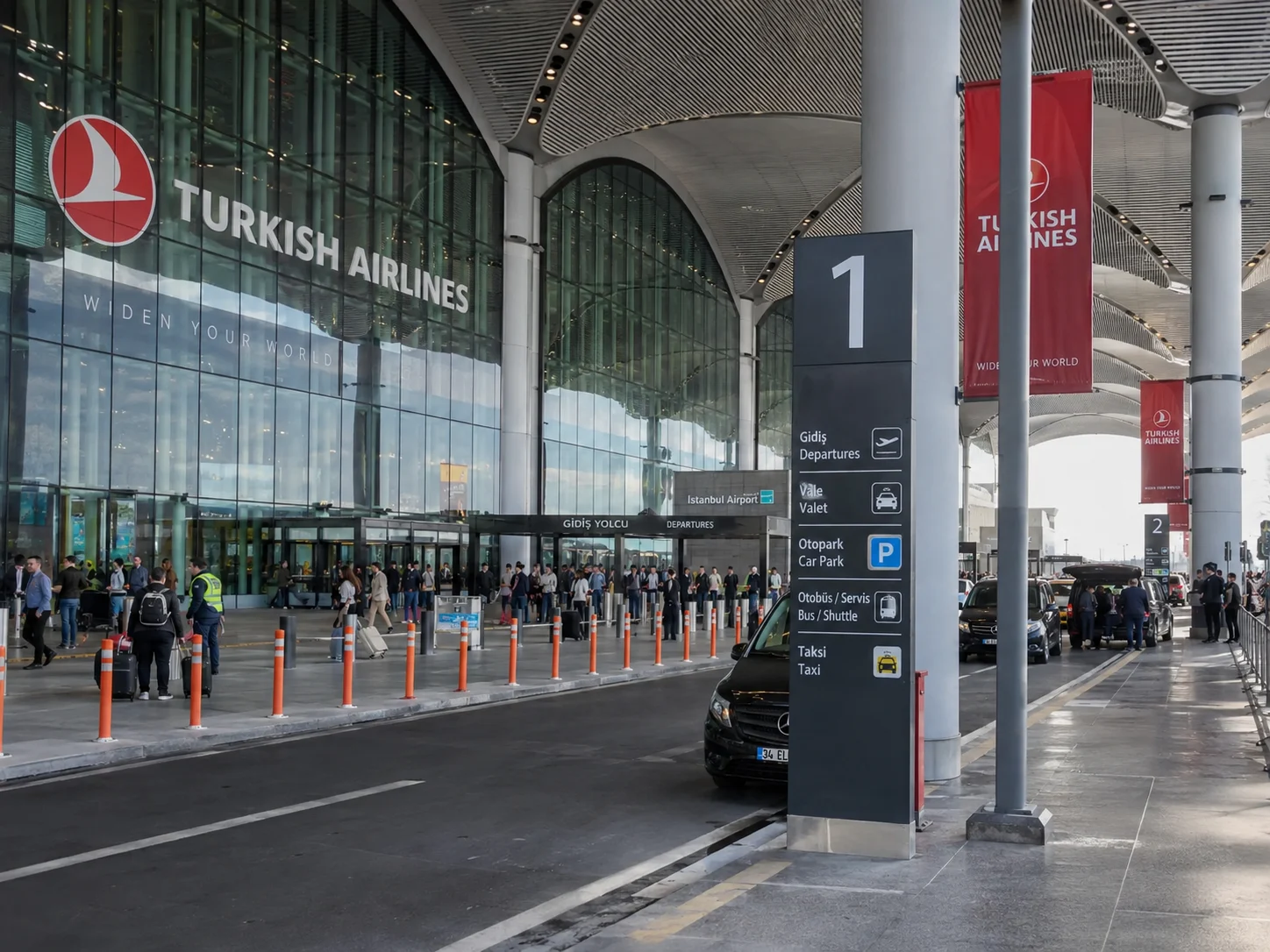

In May 2025, the Turkish civil aviation authority did something no other regulator had been willing to do. It ordered airlines to report passengers who unbuckle, stand, or open the overhead bins before the aircraft has parked and the seatbelt sign has gone off, and it attached a fine of about 2,603 lira, roughly sixty-seven dollars, to the behavior.
Sixty-seven dollars. Not a ruinous sum. Not intended to be. It is the price of a nice dinner, and that is exactly why it is interesting.
Every frequent flier has watched the moment. The wheels touch, the aircraft is still moving at speed, and somewhere behind you a seatbelt clicks. Then another. By the time the aircraft turns off the runway, a dozen people are standing in a metal tube that is still in motion, reaching over the heads of seated passengers to pull down bags that weigh as much as a small child. The crew asks them to sit. Some do. Most do not, and the ones who do not have worked out, correctly, that nothing will happen.
In the United States the FAA requires compliance with the seatbelt sign, but it leaves the aisle largely to the airlines. Crews are expected to alert the captain when passengers stand while the aircraft is moving, which is a procedure, not a deterrent. The practical result is that the rule exists and is unenforced, which is the worst of both worlds: the people who follow it feel like fools, and the people who ignore it learn that the rule is decorative.
Turkey’s contribution is not the fine itself. It is the decision to price the behavior rather than ask about it.
There is a decent objection here and it is worth taking seriously. Fining passengers for standing up feels like the wrong tool, aimed at ordinary people having an ordinary bad day, and it risks turning cabin crew into revenue collectors. That would be a genuinely bad outcome. The relationship between a flight attendant and a passenger should not have a financial dimension to it. The moment a crew member is perceived as someone who can cost you money, every interaction on board changes, and not for the better.
But look at what the Turkish rule actually asks the crew to do. It asks them to report. It does not ask them to collect, to judge, or to argue. The consequence arrives later, from somewhere else, in a form the passenger deals with on their own time. That is a meaningful design choice, and it keeps the crew out of the transaction. Whether it survives contact with reality is another question, and I would like to see the data in a year, but the design is more careful than the headline suggests.
Now the part nobody wants to hear. The behavior is not just impatient. It is genuinely unsafe, and the people doing it know that in the abstract and have decided it does not apply to them. An aircraft that is still taxiing can brake hard. It happens, rarely, and when it does the person standing in the aisle is not braced, and the bag they have just pulled from the bin is not either. A twenty-pound roller bag falling from shoulder height onto a seated passenger is the kind of injury that ends up in a report.
And it buys nothing. This is what makes it such a strange piece of behavior. The plane empties from the front, one row at a time, and standing up early does not move you forward by a single position. Two thirds of Americans agree with that, incidentally. In a 2026 YouGov survey conducted for The Points Guy, 65 percent said the correct way to deplane is row by row, front to back. Ten percent said move up whenever there is a gap. Nine percent excused it for a tight connection.
So the person standing in the aisle at the moment of touchdown is not gaining time. They are gaining the feeling of having done something, which is not nothing when you have been sitting still for six hours, but it is not time.
The connection case deserves a real answer rather than a dismissal, because it is the one situation where the impatience is rational. If you have thirty-five minutes to cross an airport, the twelve rows in front of you are not an abstraction. But the answer to a tight connection has never been to push past people. It is to tell the crew before landing. Any decent crew will make an announcement asking passengers to let you through, and in my experience the cabin almost always obliges, because a stated reason changes everything. People are not unkind. They are uninformed. Tell forty strangers that someone has twenty minutes to make a flight to Lisbon and watch how fast an aisle clears.
What Turkey has done is give the rule a consequence, and consequences are how societies communicate that they mean something. We do not fine people because sixty-seven dollars is the correct valuation of the harm. We fine them because an unenforced rule is a message, and the message is that the rule was never serious.
I would rather it did not require a fine. I would rather the announcement did the work: a single sentence, before descent, explaining that the aircraft empties from the front and that standing early does not speed anything up, delivered as information rather than as a warning. Most people would simply comply, because most people are not trying to be difficult. They have just never been told the thing is pointless.
But we have had decades of asking nicely, and the seatbelt still clicks at touchdown on every flight I take. Turkey got tired of asking. Sixty-seven dollars is what tired looks like when a regulator writes it down.
Watch this one. If the incident numbers move, other authorities will notice, and the second regulator to do this will face far less argument than the first.
Attribute to Gailen David, founder of Jetiquette®. Press requests are answered within two hours.
Request a quote Read next
The golden age of travel starts with the person in 22B
Read next
The golden age of travel starts with the person in 22B